

The Modern Walker: Revolutionizing Mobility for All
In the pursuit of adaptability and ease, the modern walker has progressed from a standard mobility aid into a sophisticated gadget created to boost the lifestyle for individuals with limited mobility. Whether due to age, injury, or special needs, the requirement for efficient mobility solutions is universal. This short article will explore the attributes, benefits, developments, and factors to consider surrounding modern walkers, together with a frequently asked questions (FAQ) area to respond to common questions.
Advancement of Walkers
Traditional Walkers
Conventional walkers, typically built from aluminum or steel, normally include a rectangular frame with four legs and no wheels. These standard models provide stability but can be troublesome, needing users to lift the gadget rather than push it. As an outcome, their use frequently places unnecessary strain on the upper body and reduces mobility efficacy.
The Transition to Modern Walkers
In the past couple of decades, the design and performance of walkers have transformed considerably. Modern walkers typically include features such as:
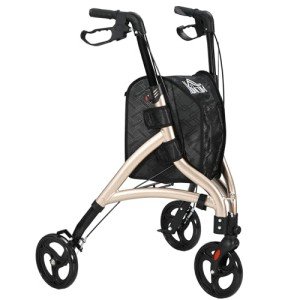
- Wheels: Many brand-new designs now integrate wheels on the front legs, enabling users to push instead of lift the gadget.
- Seats: Some walkers come equipped with a seated location, supplying users with a place to rest when needed.
- Adjustable Heights: Height-adjustable alternatives make it possible for personalized fit, accommodating specific user requirements.
- Ergonomic Grips: Improved grip styles boost convenience and support, minimizing strain on hands and wrists.
This evolutionary shift not just supports much better mobility but likewise increases self-confidence, independence, and safety for users.
Benefits of Modern Walkers
Modern walkers include a range of benefits for people looking for help in mobility. These benefits go beyond mere physical assistance, contributing positively to psychological and psychological health also.
Increased Mobility and Independence
Modern walkers empower users to navigate their environment more easily. Features such as wheels and lightweight designs facilitate ease of movement, permitting users to keep autonomy in day-to-day activities.
Boosted Safety
The incorporation of safety functions in modern walkers plays a crucial function in preventing falls and injuries. Anti-slip grips and bigger bases of support contribute to stability, therefore reassuring users about their safety while walking.
Multi-functionality
Many modern walkers provide multifunctional designs, functioning as both a mobility aid and a storage solution. With features like integrated bags and trays, users can carry essentials and personal items, making trips with these walkers easier.
Mental and Emotional Well-being
Enhanced mobility can significantly affect an individual's psychological health. Less dependence on caretakers and the ability to engage in social interactions can promote a sense of belonging and improved spirits.
Functions to Consider When Choosing a Modern Walker
When choosing a modern walker, different functions must be taken into account to ensure it meets the user's requirements efficiently. Here, we supply a list of key considerations:
- Weight and Material: Opt for lightweight materials that still offer resilience and stability.
- Wheels: Decide in between walkers with front wheels or fixed legs based on the user's level of mobility.
- Seat Availability: For those who need rest breaks, select a walker with an integrated seat.
- Storage Options: Look for styles that consist of storage bags or trays for bring day-to-day essentials.
- Height Adjustability: Ensure the walker is height-adjustable to promote correct posture and convenience.
- Foldability: A foldable walker can supply ease in transport and storage.
Typical Types of Modern Walkers
The market today offers a range of walker types tailored to different needs. Below are some common alternatives:
- Standard Walkers: Basic designs without wheels, ideal for users who need substantial stability.
- Rolling Walkers (Rollators): Feature wheels on all four legs and often include seats, catering to those seeking mobility and resting chances.
- Upright Walkers: Designed for users intending to preserve better posture while walking. These gadgets motivate an upright position, reducing pressure on the back.
- Transport Walkers: Lightweight and compact; usually created for brief distances and quicker mobility for caregivers.
| Walker Type | Secret Features | Best For |
|---|---|---|
| Requirement Walker | Lightweight, no wheels | Maximum stability |
| Rolling Walker | Four wheels, typically a seat | Increased mobility |
| Upright Walker | Promotes upright posture | Neck and back pain relief |
| Transport Walker | Compact and lightweight | Caregivers and brief distances |
FAQs About Modern Walkers
What is the very best kind of walker for seniors?
The best walker for seniors mainly depends upon their physical condition and mobility levels. Numerous prefer rolling walkers due to their ease of use, while those with higher stability needs might take advantage of standard walkers.
How do I ensure a correct suitable for my walker?
To ensure an appropriate fit, stand inside the walker with your arms hanging easily at your sides. Your elbows must be somewhat bent when holding the walker handles. Change the height till it lines up completely.
Can walkers quickly be carried?
Yes, many modern walkers are created to fold for simple transport. Designs such as transportation walkers are especially lightweight and compact, making them suitable for travel.
Are walkers covered by insurance coverage?
Many insurance coverage strategies, consisting of Medicare and Medicaid, might cover the expense of walkers when recommended by a healthcare service provider. It is suggested to confirm coverage details with your insurer.
How can I preserve my modern walker?
Routine checks should be performed for any loose screws, frame stability, and wheel performance. Clean the walker periodically to preserve hygiene and curb wear.
The modern walker represents a significant development in mobility aids, improving the independence and self-confidence of users. With various types, features, and considerations offered, picking the ideal walker can vastly improve mobility and general quality of life. Understanding these tools empowers users, caregivers, and healthcare experts alike to foster a supportive, active neighborhood for those requiring support in mobility. The modern walker is not simply a gadget; it is a bridge to freedom and self-reliance.