

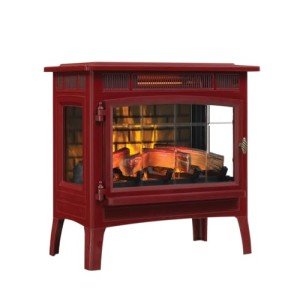
Freestanding Stoves for Sale: The Ultimate Guide
Freestanding stoves, likewise understood as standalone stoves, are an increasingly popular option for house owners seeking to enhance the heating efficiency and visual appeal of their home. They can be found in a myriad of styles, sizes, and fuel options, providing flexibility to satisfy the diverse needs of consumers. This article checks out different elements of freestanding stoves, including their advantages, types, and features, along with a guide to buying the best range.
What is a Freestanding Stove?
A freestanding range is a heating appliance that is not built into a wall or kitchen cabinetry. Rather, it stands separately in a space and can be positioned in numerous places, making it a flexible heating service. These stoves can use different fuels, such as wood, gas, or pellets, and are developed to offer heat while enhancing the atmosphere of an area.
Benefits of Freestanding Stoves
Freestanding Stoves For Sale stoves are favored for several factors:
- Heating Efficiency: Freestanding stoves can produce significant heat output while being fuel-efficient.
- Visual Appeal: With numerous designs varying from traditional to contemporary, they can be a focal point in any space.
- Installation Flexibility: They can be put in diverse locations, permitting simple combination into existing home designs.
- Affordable: Many freestanding stoves are less costly to set up compared to built-in systems.
- Heat Distribution: They can effectively disperse heat through the convection process, warming up the surrounding area.
Kinds Of Freestanding Stoves
Freestanding stoves can be found in different types based on their fuel source, consisting of:
| Type | Description |
|---|---|
| Wood Stoves | Usage traditional wood logs for fuel, using a rustic appeal and a special ambiance. |
| Gas Stoves | Run using gas or propane, supplying convenient and manageable heating. |
| Pellet Stoves | Utilize compressed wood pellets as fuel, known for their efficiency and eco-friendliness. |
| Electric Stoves | Usage electrical power as a source of power, available in various designs, often featuring modern designs. |
Secret Features to Consider
When looking for a freestanding range, numerous functions should be considered:
- Heat Output (BTUs): Consider the size of the area you desire to heat and choose a stove with a suitable BTU rating.
- Size and Design: Ensure the range fits the area and matches the space's decor.
- Fuel Type: Decide on the most convenient and economical fuel type for your household.
- Efficiency Ratings: Look for the stove's efficiency scores (like EPA accreditation for wood stoves) to guarantee you're making an environment-friendly option.
- Safety Features: Consider designs with security functions such as auto shut-off, heat resistant glass, or low-clearance alternatives.
Purchasing a Freestanding Stove
When considering purchasing a freestanding range, it is important to assess numerous important factors to guarantee you invest carefully:
1. Budget
Setting a clear budget plan is essential when shopping for a freestanding range. Rates can differ widely based upon the type, brand, and features:
- Basic Models: ₤ 800 - ₤ 1,500
- Mid-Range Models: ₤ 1,500 - ₤ 3,000
- High-End Models: ₤ 3,000 - ₤ 6,000+
2. Research Brands and Models
Extensive research study can help you reveal different alternatives in the market. Some notable brands in the freestanding range market include:
- Jøtul
- Quadrafire
- Regency
- Lopi
- Harman
3. Speak with Reviews
Check out consumer reviews and expert ratings online to acquire insights into the performance and reliability of various models.
4. Local Regulations
Check regional structure codes and regulations relating to range setup, particularly for wood and gas stoves, to guarantee compliance.
5. Setup
Think about professional installation, specifically for gas or wood designs, as they frequently require special ventilation or flue systems.
FAQs About Freestanding Stoves
1. Are freestanding stoves safe to utilize?
Yes, when appropriately installed and preserved, freestanding stoves are safe. Nevertheless, it's important to follow the maker's guidelines and local codes.
2. How do I preserve my freestanding stove?
Regular maintenance includes cleaning up the flue or chimney, looking for blockages, and guaranteeing all parts are operating properly. Annual inspections by a qualified technician are advised.
3. Can I utilize a freestanding stove as a main heating source?
Yes, numerous house owners utilize freestanding stoves as primary heating sources, specifically in locations where traditional heating might be restricted.
4. Are freestanding stoves energy-efficient?
Many more recent models are designed for high efficiency, using better heat retention and lower emissions compared to older models.
5. What is the typical life expectancy of a freestanding stove?
With appropriate upkeep, the typical lifespan of a premium freestanding stove can be around 15 to 20 years.
Freestanding stoves are a practical and stylish option for heating homes. By understanding the various types, benefits, and includes readily available, homeowners can make informed decisions that match their preferences and heating requirements. Whether going with a wood, gas, pellet, or electric stove, purchasing a quality model will offer heat, ambiance, and complete satisfaction for several years to come.